A podcast is the only marketing format where a customer chooses to spend twenty to forty minutes with your business, on purpose, usually while doing something else. For a local company in Grand Blanc, Flint, Detroit, or anywhere in Michigan, that attention is worth more than any ad you can buy, because the people listening are the people down the road. This guide covers how to launch a local business podcast that actually brings in customers: the format decisions, the gear and room, the release cadence, why you should record video from day one, how one recording becomes a month of content, and what a production partner like The Studio Creative handles so you can just talk.
At a glance
- Trust, built at scale. A listener who has heard you explain your work for ten episodes walks in already convinced.
- Record video from day one. YouTube is the largest podcast platform, and short vertical clips are how new listeners find shows.
- Keep a cadence you can hold for a year. Batch record two or three episodes in one session so a busy week never stops the release.
- One recording, a month of marketing. The full episode, vertical clips, a blog post, an email, and stills from every session.
Why a podcast works for a local business
Local businesses win on trust, and trust is built by time spent together. A referral, a handshake, a good first visit. A podcast is that same trust built at scale. A listener who has heard you explain your work for ten episodes walks in already convinced. Three things make the format especially strong for a geographically concentrated audience:
- Nobody else in your market is doing it well. Most local competitors are running ads and posting occasionally. A consistent show makes you the recognizable voice in your category, in your town.
- It compounds. Episode 30 still brings in listeners who then go back to episode one. Ads stop working the day you stop paying.
- It feeds everything else. One recording session becomes the week's blog post, social clips, email, and website video. The podcast is not another channel to feed. It is the thing that feeds the channels.
Best practice 1: pick a format your customers would actually play
The most common mistake is making a show about your business. Make a show about your customer's problem. A law firm's podcast should answer the questions people type into Google at midnight, not recap the firm's history. A fitness studio's show should be about staying consistent in a Michigan winter. Formats that hold up for local shows:
- The expert Q&A. You, one host or guest, one question per episode. Short, searchable, easy to record.
- The local guest show. Interview other business owners, organizers, and community figures in your area. Every guest brings their audience to yours, and your town starts to see you as a connector.
- The case walk-through. Take one real project or customer story per episode and explain what happened and why. This is the format that converts best, because it is proof.
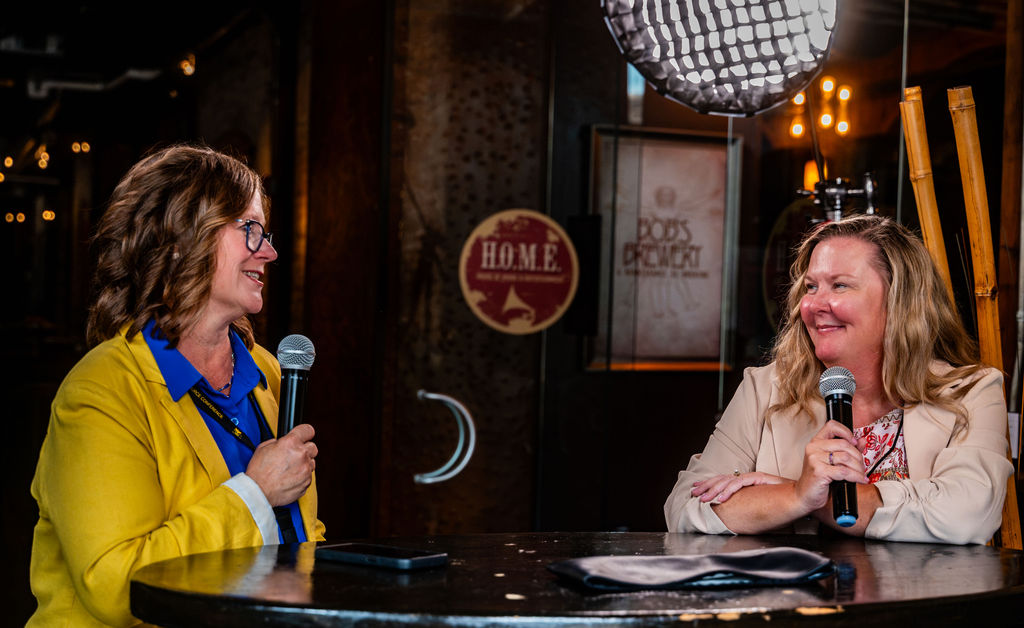
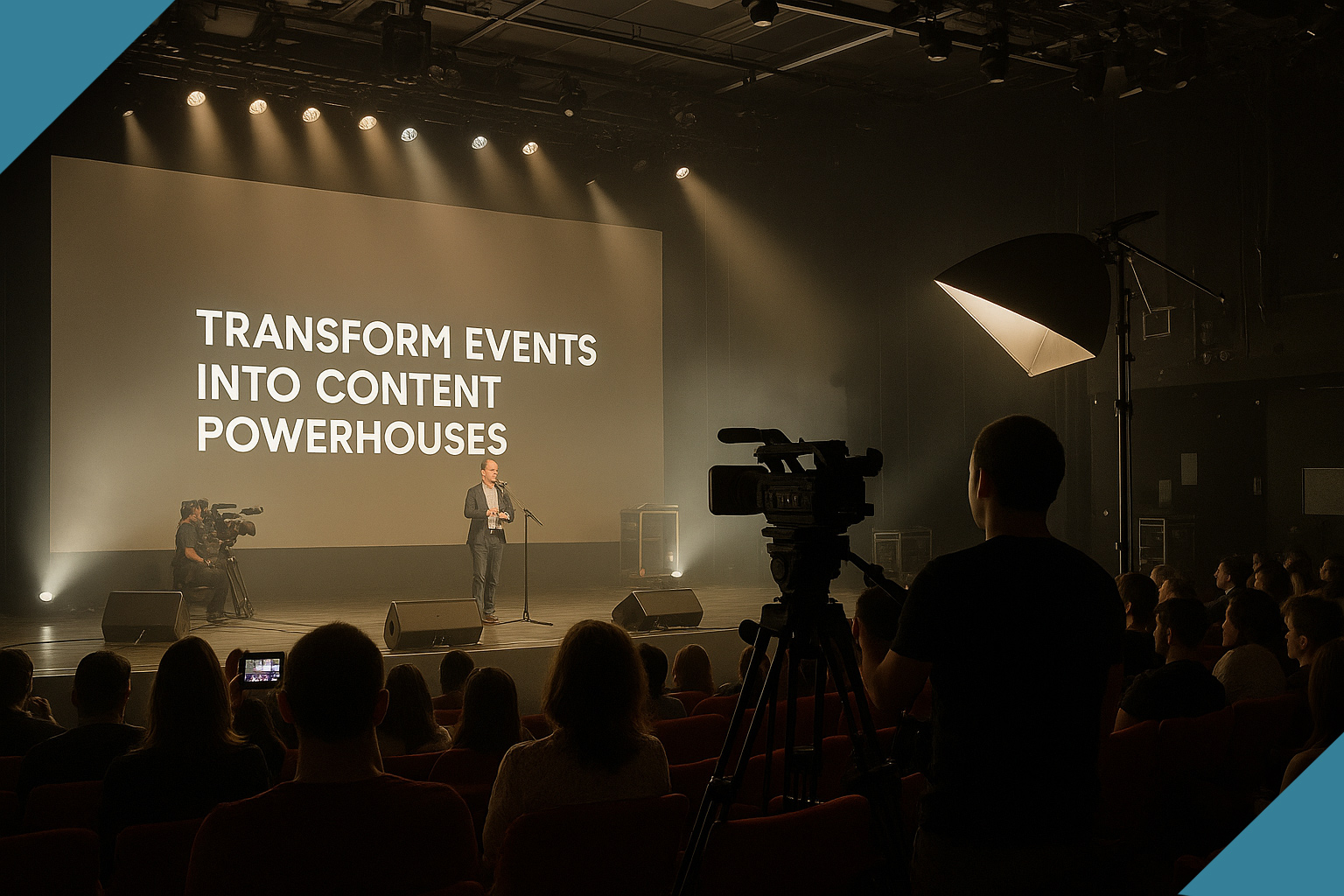
A podcast episode recorded at a conference.
Best practice 2: record video, even if you think you only want audio
In 2026 the podcast that grows is the podcast people can see. YouTube is the largest podcast platform, short vertical clips are how new listeners find shows, and a video episode gives you a face to put on your website, your Google Business Profile, and your social channels. Recording audio only throws away the most valuable output before you have made anything.
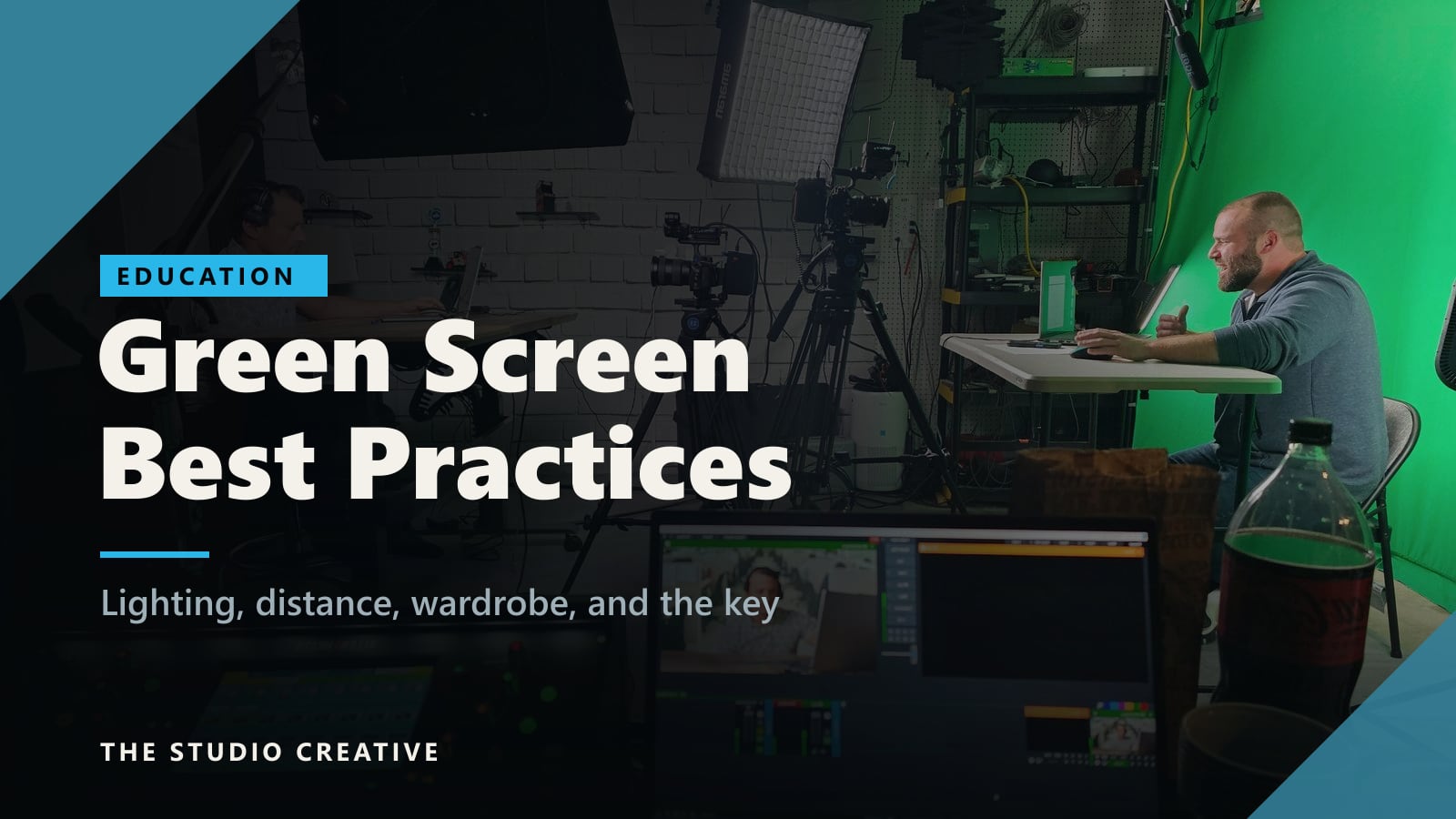
Video also changes the production standard. A phone on a tripod in a conference room looks like a phone on a tripod in a conference room. Two or three cameras, real lighting, clean audio, and a set that says something about your business is the difference between a show people forward and a show people scroll past. This is the part of the process our studio in Grand Blanc is built for: a multi-camera setup with a switcher so the edit largely happens live, and a room that can be your brand's room or, with a green screen and a generated background, any room you like.
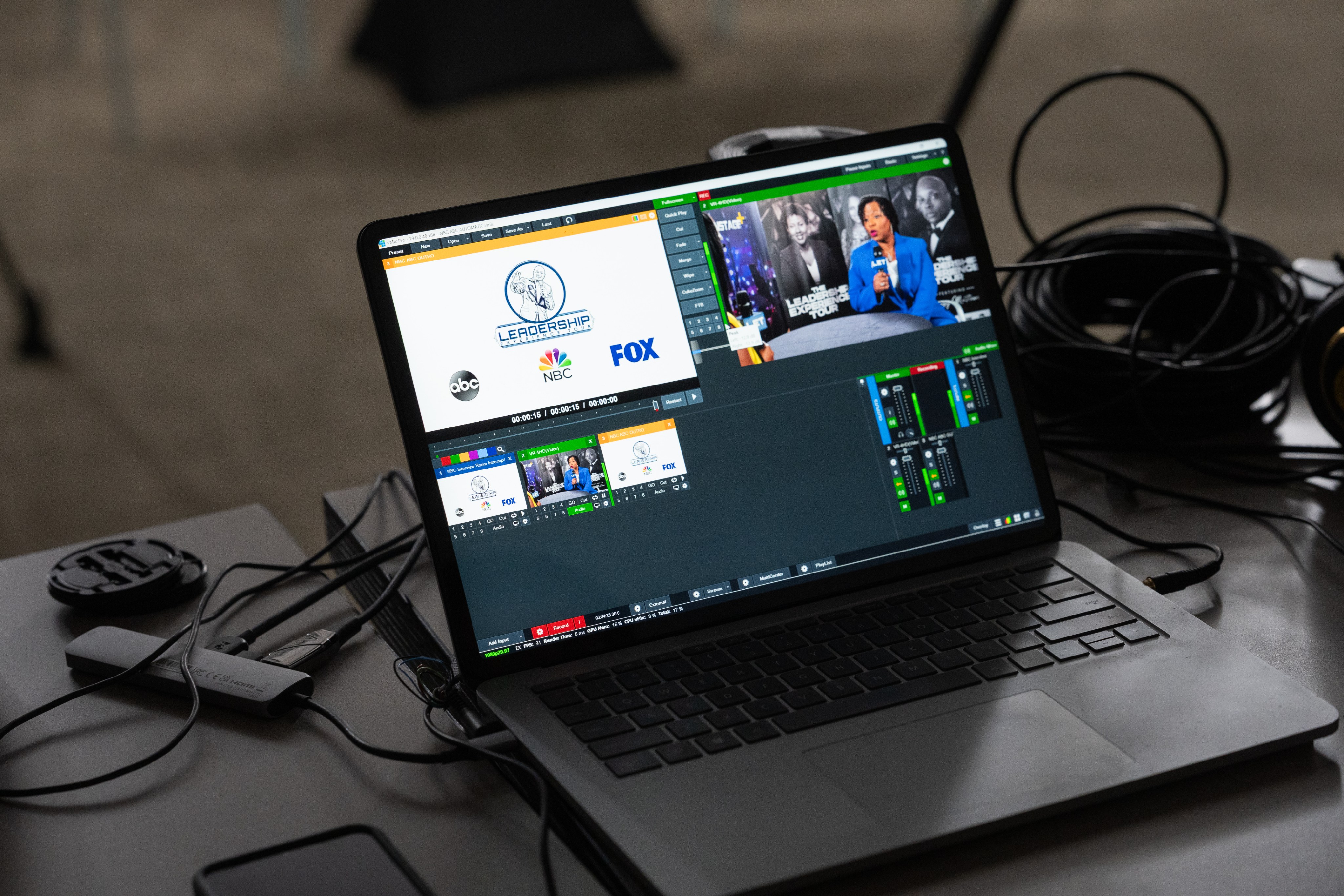
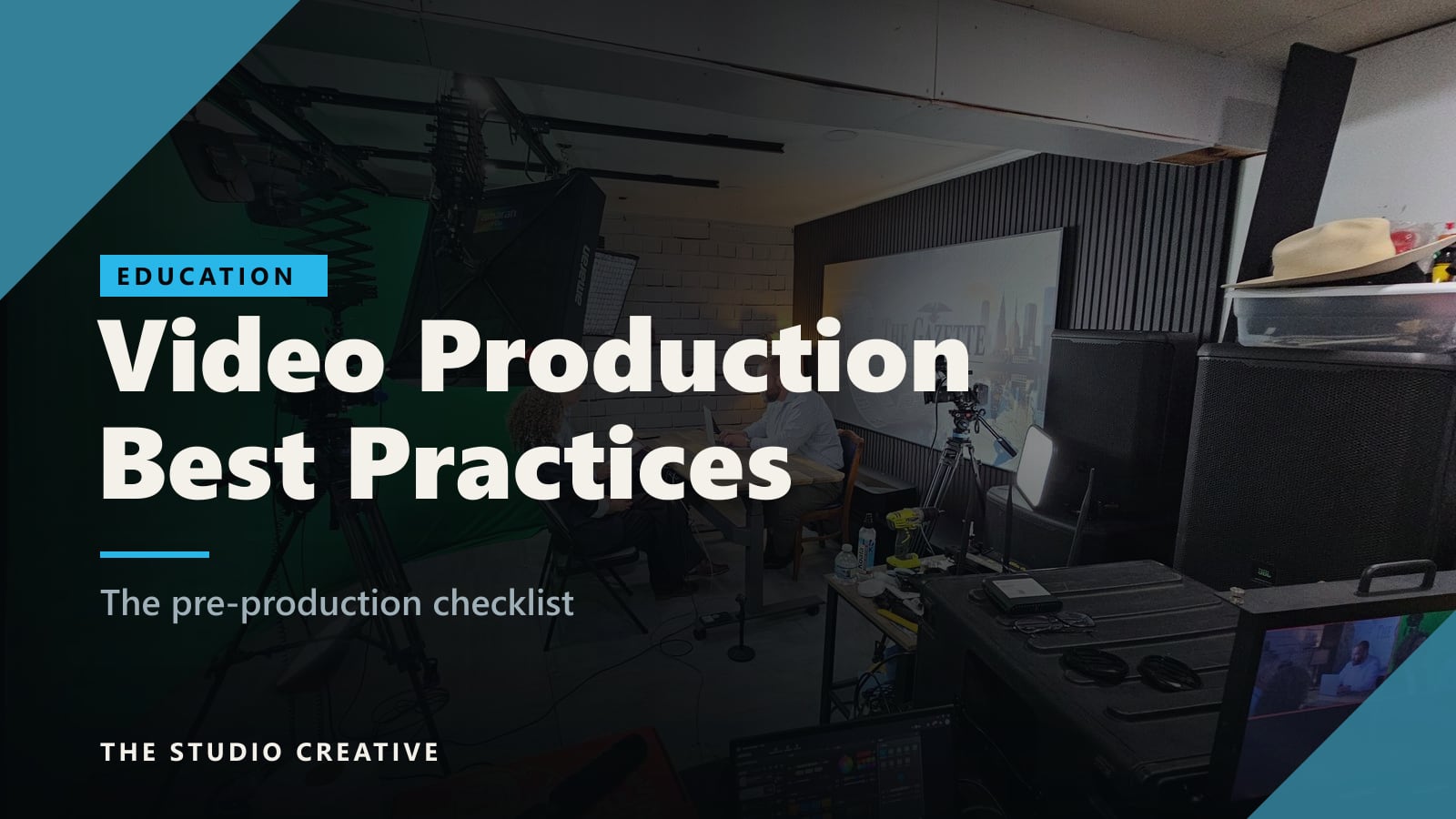
The live program and every camera feed on one screen.
Best practice 3: sound is the whole medium, treat it that way
Listeners forgive a lot, but they do not forgive bad audio. Room echo, a fan, uneven volume between two people, and a laptop mic will end a listen in the first minute.
Above the floor is where the show starts to sound like a brand: a consistent intro and outro, music you own the rights to, and a loudness level that matches what the platforms expect so the episode does not sound quiet next to everything else in the feed.
Best practice 4: commit to a cadence you can keep for a year
Weekly is ideal, every other week is fine, and monthly is the minimum that still feels like a show. What matters is that the cadence never breaks. The businesses that succeed batch record: two or three episodes in one session, once a month, so a busy week never stops the release. A session in our studio typically produces three finished episodes plus the clips and stills for each, which is a month of publishing from one morning.
Best practice 5: one recording, a month of marketing
This is where a podcast pays for itself. Every episode should leave the edit as a set of assets, not a single file:
- The full episode on the podcast platforms and on YouTube.
- Three to five vertical clips, captioned, for Reels, TikTok, YouTube Shorts, and LinkedIn. These are how people discover the show.
- A blog post built from the transcript, edited for reading, which is how the episode ranks in search for the question it answers.
- An email to your list with the episode, the clip, and one takeaway.
- Quote graphics and stills for your website and Google Business Profile.
AI has made this repurposing fast. Transcripts, captions, first-draft blog copy, and subject-tracked vertical framing are all handled in the background now, so the human hours go into choosing the moments and writing the hook. We use the same 48-hour pipeline on podcasts that we run on our own comedy series.
Best practice 6: make the podcast part of your sales system
A show that does not connect to your follow-up is a hobby. Every episode should have one call to action, the same one every time, that lands somewhere a person can act: a booking link, a guide, a consultation. Then the listener who takes that step should get a reply the same day and a sequence after that. This is the piece most local businesses skip and the piece that turns listeners into customers. Our CRM Connect marketing system exists for exactly this: the podcast brings the attention, the system answers every inquiry instantly, nurtures automatically, and books the call.
Where local businesses go wrong
- Launching without ten episode ideas written down. If you cannot list ten, you do not have a show yet. You have an idea for one.
- Making it about the company instead of the customer. Nobody subscribes to a commercial.
- Audio only. See above. The growth is on video.
- Judging by downloads at month two. Judge by the customers who mention the show at month six. Local podcasts are a trust engine, not a viral one.
- Doing it all yourself. The owner should be on the microphone and nowhere else in the process. Every hour spent editing is an hour not spent running the business or being interesting on the show.
What The Studio Creative does for your podcast
We produce podcasts for businesses across Michigan from our studio in Grand Blanc, and on location when the room is part of the story. You show up and talk. We handle the rest:
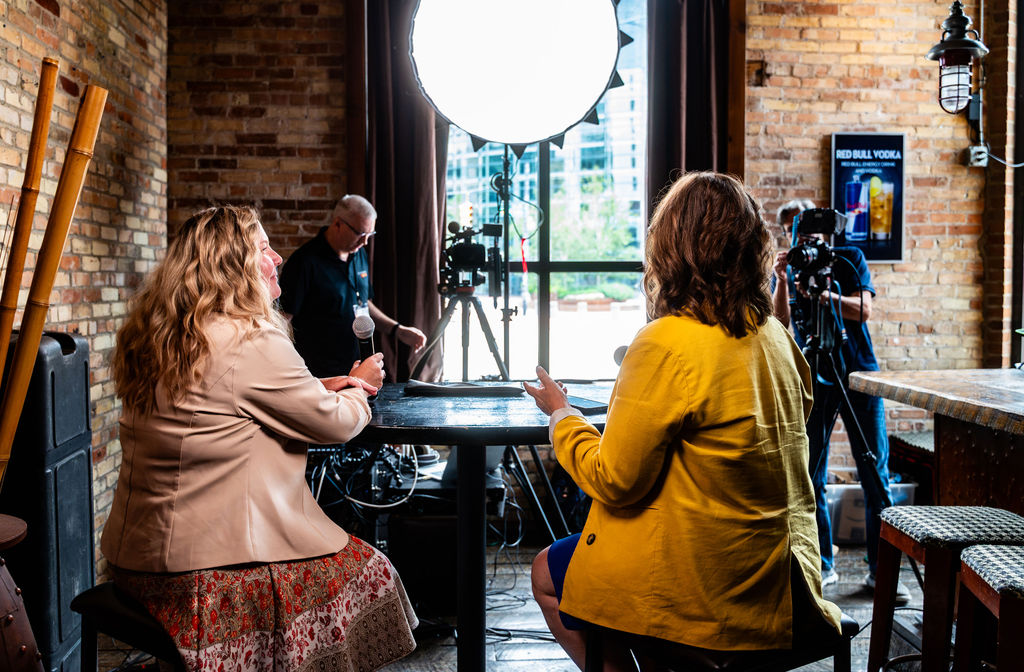
A podcast recorded on location.
- Show design: concept, format, episode calendar, and the one call to action, built around what your customers search for.
- Studio recording: multi-camera video, broadcast-quality audio, real lighting, and a set that fits your brand, including green screen environments when you want a room you do not have.
- Batch sessions: two to three episodes per session, so one morning a month keeps a weekly or biweekly show fed.
- Edit and finish: the full episode, captioned vertical clips, a blog draft from the transcript, and stills, delivered within the week.
- Distribution and follow-up: publishing to every platform, and the marketing system that turns a listener's first click into a booked call.
- Live episodes: when the show should be an event, we stream it live with an audience in the room.
The same crew produces brand films, live events, and social content, so your podcast is built as part of a system rather than as a one-off.
Frequently asked questions
How much does podcast production cost in Michigan?
It depends on cadence and finish. A batch session that produces three video episodes with clips costs less than most businesses spend on a month of ads, and unlike the ads, the episodes keep working. Tell us your format and cadence and you will get a real quote, not a range.
Do I need my own equipment?
No. The studio is set up for two to four people with cameras, microphones, lighting, and a switcher. Location recording brings the same kit to you.
How long until a podcast brings in customers?
Plan on six months of consistent publishing before the show is a regular source of inquiries. Clips and the blog posts built from episodes start bringing search traffic sooner.
Can we start with audio and add video later?
You can, but you will regret the episodes you cannot put on YouTube. Recording video from the first session costs little more and doubles what each episode can do.
Ready to start your show?
If you run a business in Grand Blanc, Genesee County, or anywhere in Michigan and you want a podcast that is built to bring in customers rather than to check a box, tell us what you do and who you want listening. You will hear back from a producer, usually the same business day, with a format and a first-session plan.