Most of what makes a video good is decided before the camera comes out of its case. A shoot day is expensive and short, and it can only carry out a plan. It cannot invent one. When a business video goes over budget, runs long, or comes back feeling like nothing in particular, the cause is almost always in pre-production: no clear goal, no script anyone read aloud, no list of shots. Here are the practices we follow on every project, in the order they happen.
At a glance
- One goal, one audience. If you cannot write who it is for and what they should do next, you are not ready to shoot.
- Write to be spoken. At about 150 words per minute, a 60-second video holds roughly 150 words.
- Plan every shot and every format. Supporting footage and vertical versions are decided before the shoot, not in the edit.
- Sound first on the day. Audiences forgive a soft picture long before they forgive bad audio.
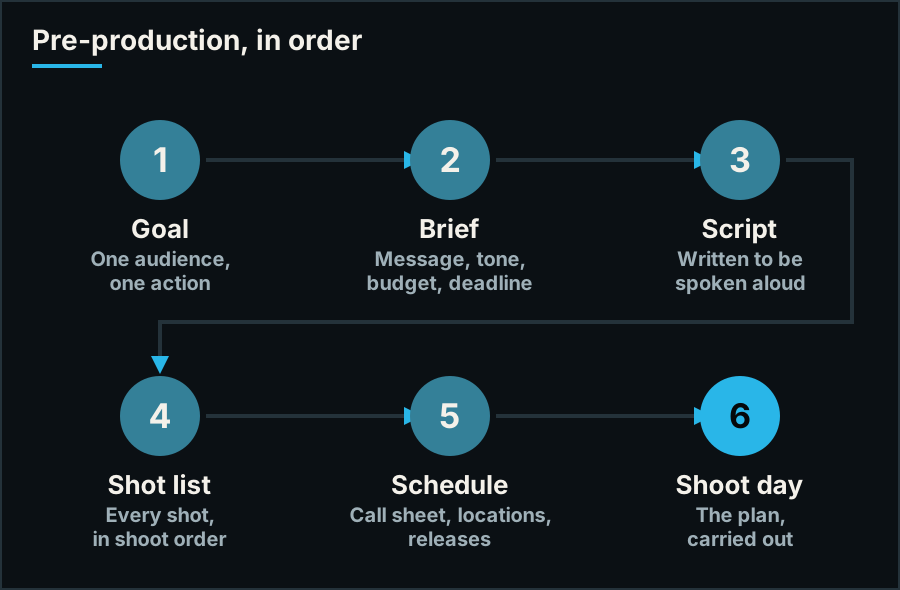
Six steps. The first five happen at a desk, which is why they are the cheap ones.
1. Start with one goal, for one audience
Write down a single sentence: who is this for, and what should they do after watching? "Homeowners in Genesee County who need a new roof should request an estimate." "New hires should be able to clock in on day one without asking." If you cannot write the sentence, you are not ready to shoot.
2. Write a short creative brief
A brief is one page that everyone agrees on before money is spent. It should cover:
- The goal and audience from step one.
- The key message. One idea. If the viewer remembers a single thing, what is it?
- Tone. Name two or three existing videos you like and say why.
- Where it will be shown. A website header, a trade show screen, and an Instagram feed want different lengths, different shapes, and different openings. This decides how it is filmed, so it cannot wait until the edit.
- Budget and deadline. A producer can design a good video at almost any budget, but only if they know the number.
- Who approves it. One name. Videos approved by committee get worse with every round.
3. Write the script to be spoken
People write differently from how they speak. A script that reads well on paper often sounds stiff out loud, so read every draft aloud, at speed, with a timer. A comfortable speaking pace is roughly 150 words per minute. A 60-second video has room for about 150 words, which is less than most people expect. It is around the length of the first two paragraphs of this article.
- Put the point first. Viewers decide within seconds whether to keep watching. Open on the problem or the payoff, not on your company name and founding year.
- One idea per sentence. Short sentences are easier to say and easier to edit.
- Write for the person, not the teleprompter. For interviews, skip the script and write questions instead. Real answers beat recited ones. We cover that in our guide to looking and sounding good on camera.
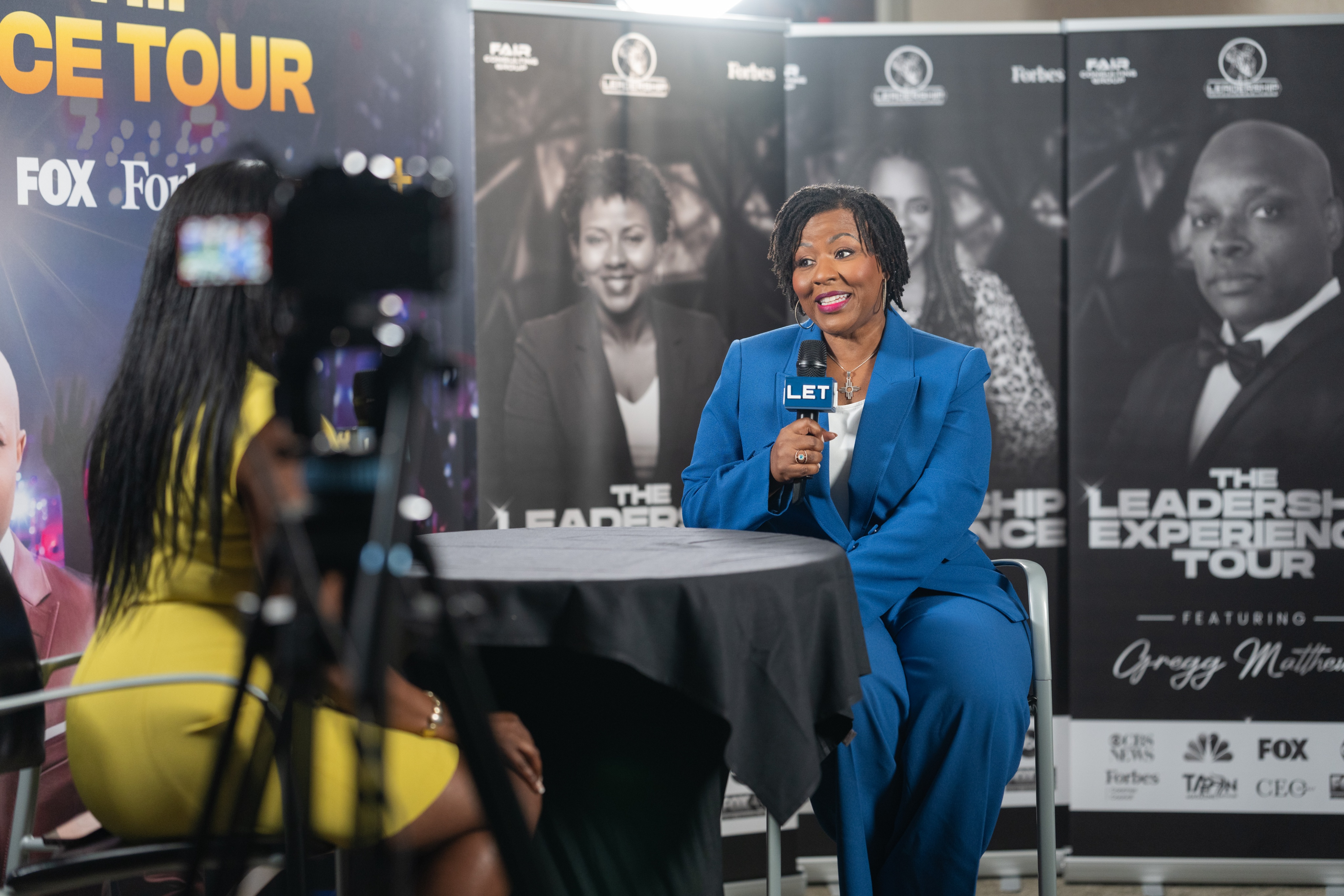
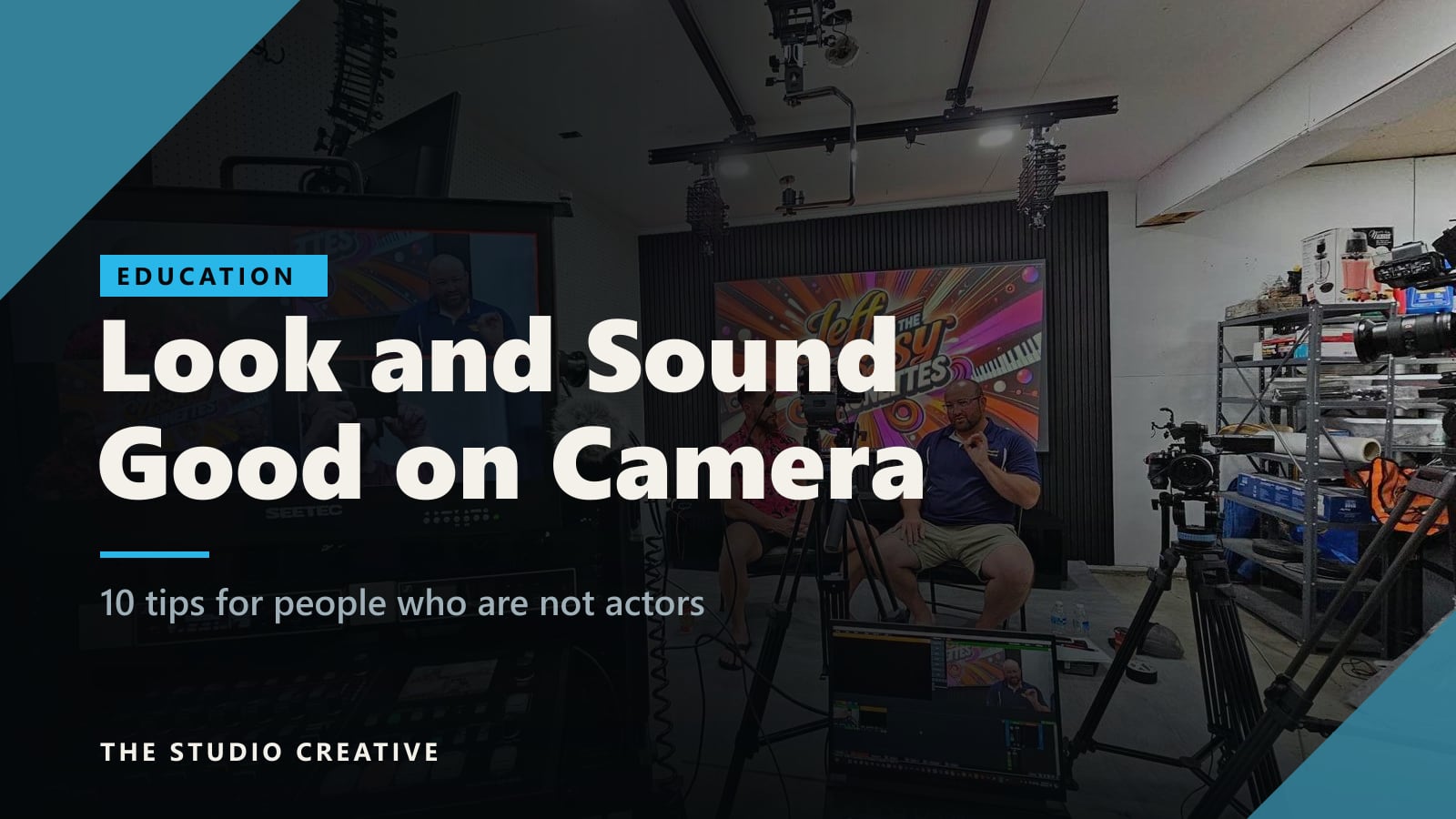
Two guests on a branded interview set, framed past the camera.
4. Turn the script into a shot list
A shot list is every shot you need, with its location, who is in it, and what it shows. Then it gets reordered, not by the story, but by what is efficient to film: everything in the lobby together, everything with the CEO together while you have her.
Two practices matter most here:
- Plan the supporting footage on purpose. The shots of hands, products, the building, and people at work are what an editor cuts to while someone talks. Videos feel thin when this was left to chance. List it, line by line, against the script.
- Plan every format now. If you will need a vertical version for social media, frame for it on the day. A horizontal shot with the subject at the far edge cannot be rescued into a vertical one later. More on that in how to repurpose one shoot into a month of content.
This is the step our own software, Studio Projects, was built for. It takes a script and returns a scene-by-scene breakdown and a shot list for each person on camera, so we can see at a glance who is needed when. However you build it, the principle is the same: nobody should be deciding what to film while the crew stands waiting.
5. Schedule it, scout it, and get the paperwork done
- Visit the location first, at the same time of day you will film. Listen as much as you look. Air handling, traffic, a compressor in the next room, and a lunch rush are all invisible in a photo and ruinous in a recording.
- Check power, parking, and load-in. The glamorous details never delay a shoot. The freight elevator does.
- Get releases signed for everyone who appears on camera and for the location, and confirm you have the rights to any music, logos, or artwork in the frame.
- Send a call sheet the day before: address, parking, arrival time for each person, the day's schedule, wardrobe notes, and a phone number that will be answered.
- Be honest about time. Setting up a single interview with good lighting and sound takes about an hour. Moving to a second room takes most of another. A schedule that ignores this does not save time. It just moves the overtime to the end of the day.
6. On the day: protect the plan
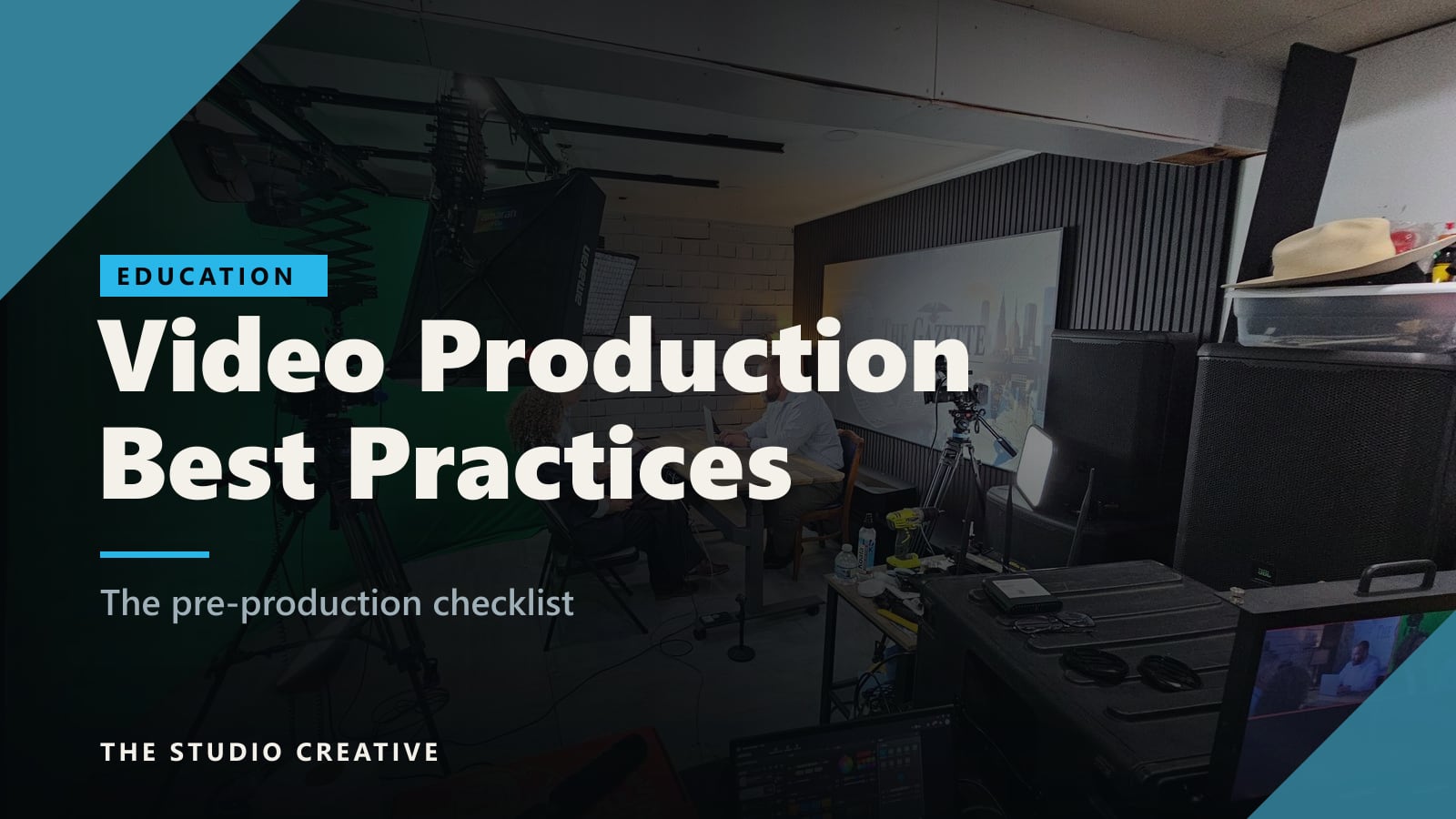
A camera rigged and ready before a shoot.
- Sound first. Audiences forgive a soft picture long before they forgive bad audio. Use a proper microphone close to the speaker, and wear headphones while recording.
- Shoot the essential things early. Energy, light, and people's availability all decline through the day.
- Keep one decision-maker on set. The approver from your brief, or someone who speaks for them.
- Record room tone and extra supporting footage. Thirty seconds of the room's silence and ten spare shots cost nothing on the day and rescue edits constantly.
- Back up before you leave. Two copies of the footage, in two places, before anyone goes home.
Why this saves money
Every step above costs hours at a desk. Every one of them, skipped, costs hours on a shoot day with a full crew standing by, or hours in an edit trying to build a story from footage that was never planned to tell one. Pre-production is the only stage of video where being thorough is cheap.
Want a second opinion on your next video?
If you have a video in mind and want help with the goal, the brief, or the script before you commit to a shoot day, that is a conversation we like having. We are a video production company in Grand Blanc, Michigan, with our own studio and a crew that works across the state and beyond. Tell us what you are planning and a producer will reply with real advice, whether or not you hire us. More guides like this one live under Education on our blog.