"Should we be doing video?" is a fair question for any business owner, and "everyone else is" is not a good enough answer. Video costs more than a blog post and takes more planning than a photo. So here are the five reasons that actually hold up, the numbers behind them, and a short, honest section at the end on when video is the wrong investment.
At a glance
- Nearly everyone uses it. In Wyzowl's 2026 survey, 91 percent of businesses use video as a marketing tool.
- It brings leads and sales. 85 percent of video marketers say it generated leads, and 83 percent say it directly increased sales.
- It builds trust. Seeing and hearing the actual person removes much of the risk a buyer feels before the first call.
- One shoot feeds every channel. A planned day yields the main piece, short clips, vertical versions, podcast audio, and photos.
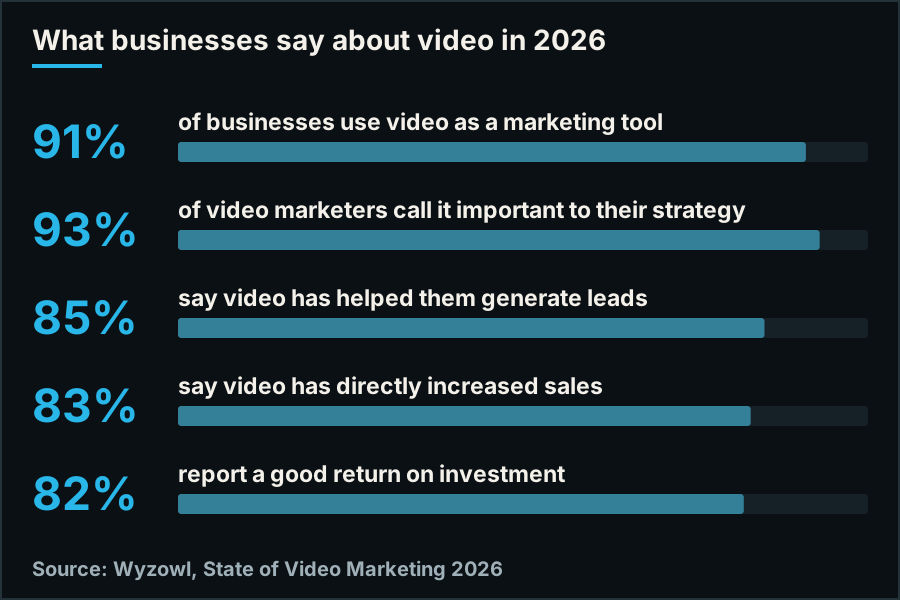
Figures from Wyzowl's State of Video Marketing survey, 2026.
1. Your customers and your competitors are already there
According to Wyzowl's State of Video Marketing survey, 91 percent of businesses use video as a marketing tool in 2026, and 93 percent of the marketers using it call it an important part of their strategy. That survey has run for more than a decade, and adoption has sat near that level for several years.
The useful way to read that number is not "join the crowd." It is that buyers now expect to be able to see a business before they contact it. A company with no video is not neutral in that comparison. It is the one the buyer could not get a feel for.
2. It produces leads and sales, not just views
In the same survey, 85 percent of video marketers say video has helped them generate leads, 83 percent say it has directly increased sales, and 82 percent report a good return on investment.
One detail is worth noticing. The share reporting a good return was higher in earlier years. The likeliest explanation is that as nearly every business starts making video, more of it is made without a plan, and unplanned video performs poorly. The return is real, but it goes to video that was built to do a specific job. That is why we put so much weight on pre-production.
3. It builds trust faster than anything else you can publish
People buy from people. A page of text can claim that your team is friendly, your shop is clean, and your process is careful. Thirty seconds of video shows it, and the viewer believes their own eyes in a way they never believe adjectives.
This matters most for businesses where the customer is nervous: a contractor coming into the home, an attorney, a medical practice, a financial advisor. Seeing and hearing the actual person removes a large part of the risk the buyer feels before the first call. It is the same reason a speaker's reel gets watched before their bio gets read, which is why our work for public speakers starts with the reel.
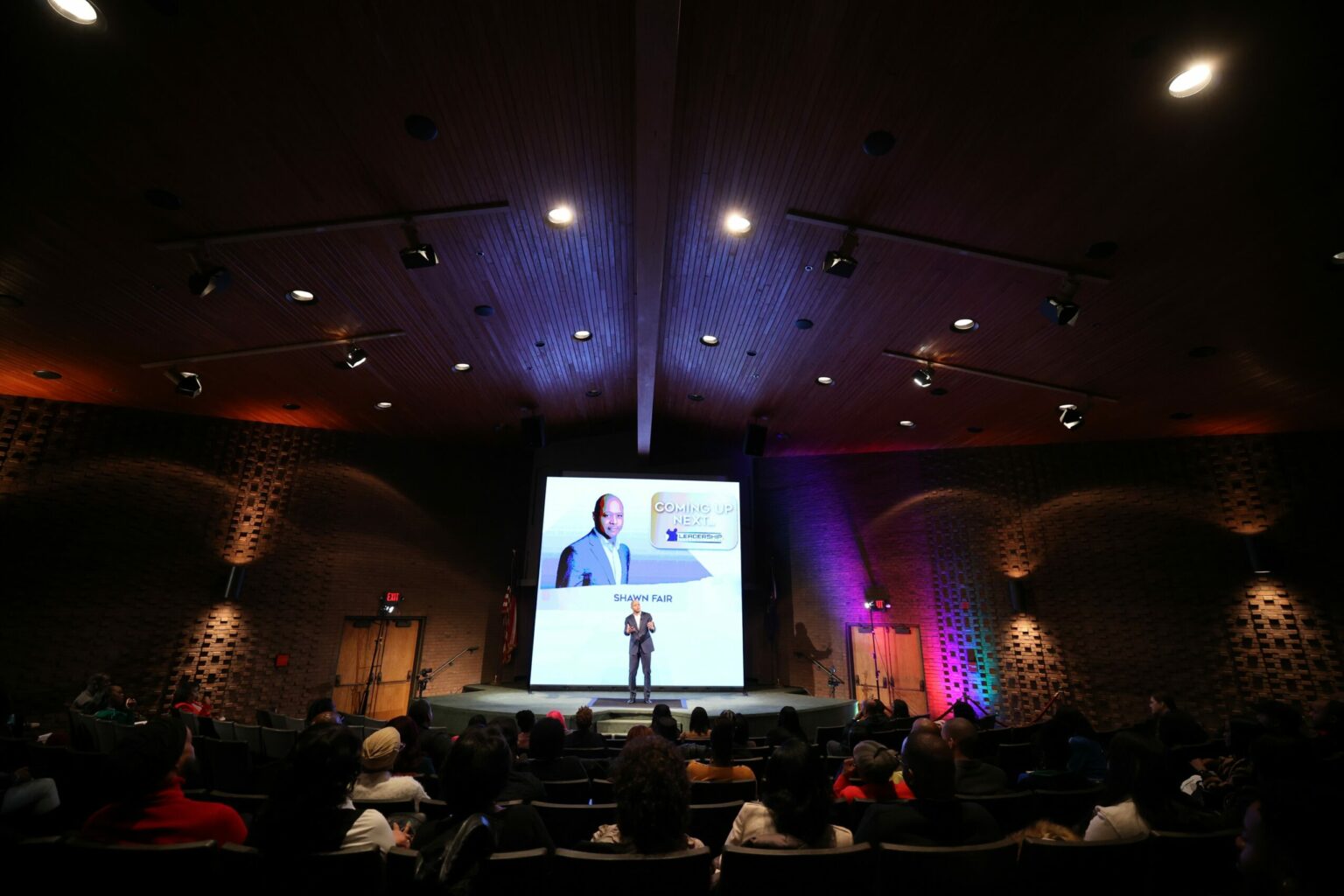
A keynote on a dark stage.
4. It helps people find you
Video earns visibility in places text cannot. YouTube is one of the largest search engines in the world, and its results appear inside Google's. Social platforms give video more reach than links or still images. And a useful video on a page gives visitors a reason to stay on it, which is a good signal for that page.
5. One shoot feeds every channel you have
This is the reason that changes the math. A single planned shoot day does not produce one video. It produces the main piece, a set of short clips, vertical versions for social, audio for a podcast, photos, and the raw material for a blog post and an email series.
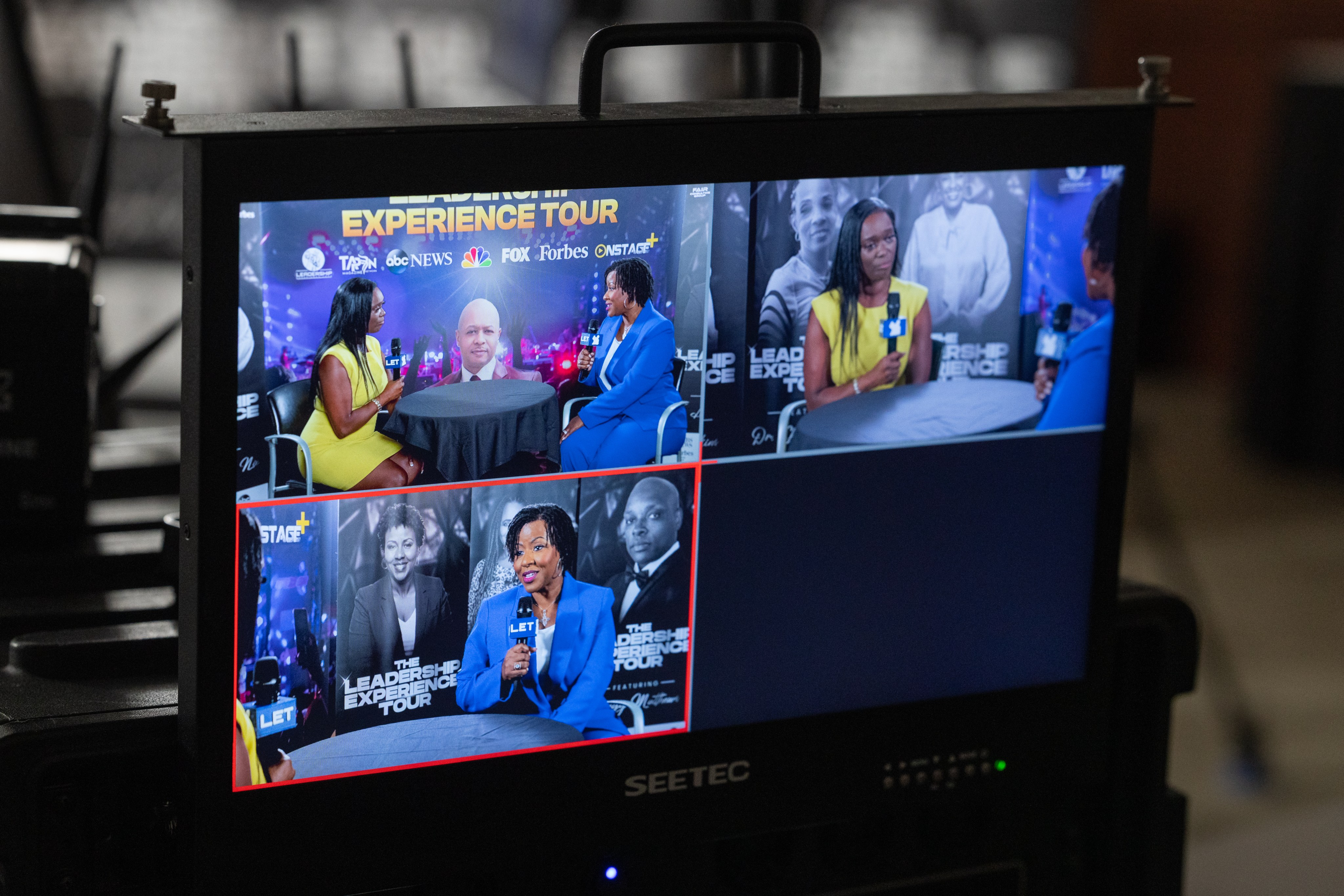
Four camera angles from one interview on a multiview monitor.
The data supports working this way. In HubSpot's 2026 State of Marketing data, marketers named short-form video as the content format delivering the highest return, ahead of long-form video and live streaming. Short-form is exactly what a well-planned shoot produces as a by-product. We explain the whole method in how to repurpose one video shoot into a month of content.
When video is not the right call
An honest list, because a video that should not have been made is the most expensive kind.
- You do not know what you want the viewer to do. Without a goal there is nothing to measure, and the video will be judged on whether people "like it."
- There is nowhere to put it. A good video on a website nobody visits, with no plan to promote it, changes nothing. Fix the distribution first.
- The thing it describes is about to change. New pricing, a rebrand, a move. Wait three months.
- A simpler format does the job. Some questions are better answered by a clear page, a price list, or a photo. Not everything needs to move.
Where to start
If you are making your first serious video, start with the one that answers the question your customers ask most often before they buy. It will be useful on your website, in your sales emails, and on social media, and it will tell you quickly whether video moves the needle for your business. Then plan the second one from what you learned.
Want a second opinion on your next video?
If you want help working out which video your business should make first, and whether it is worth making at all, ask us. We are a video production company in Grand Blanc, Michigan, with our own studio and a crew that works across the state and beyond. Tell us what you are planning and a producer will reply with real advice, whether or not you hire us. More guides like this one live under Education on our blog.