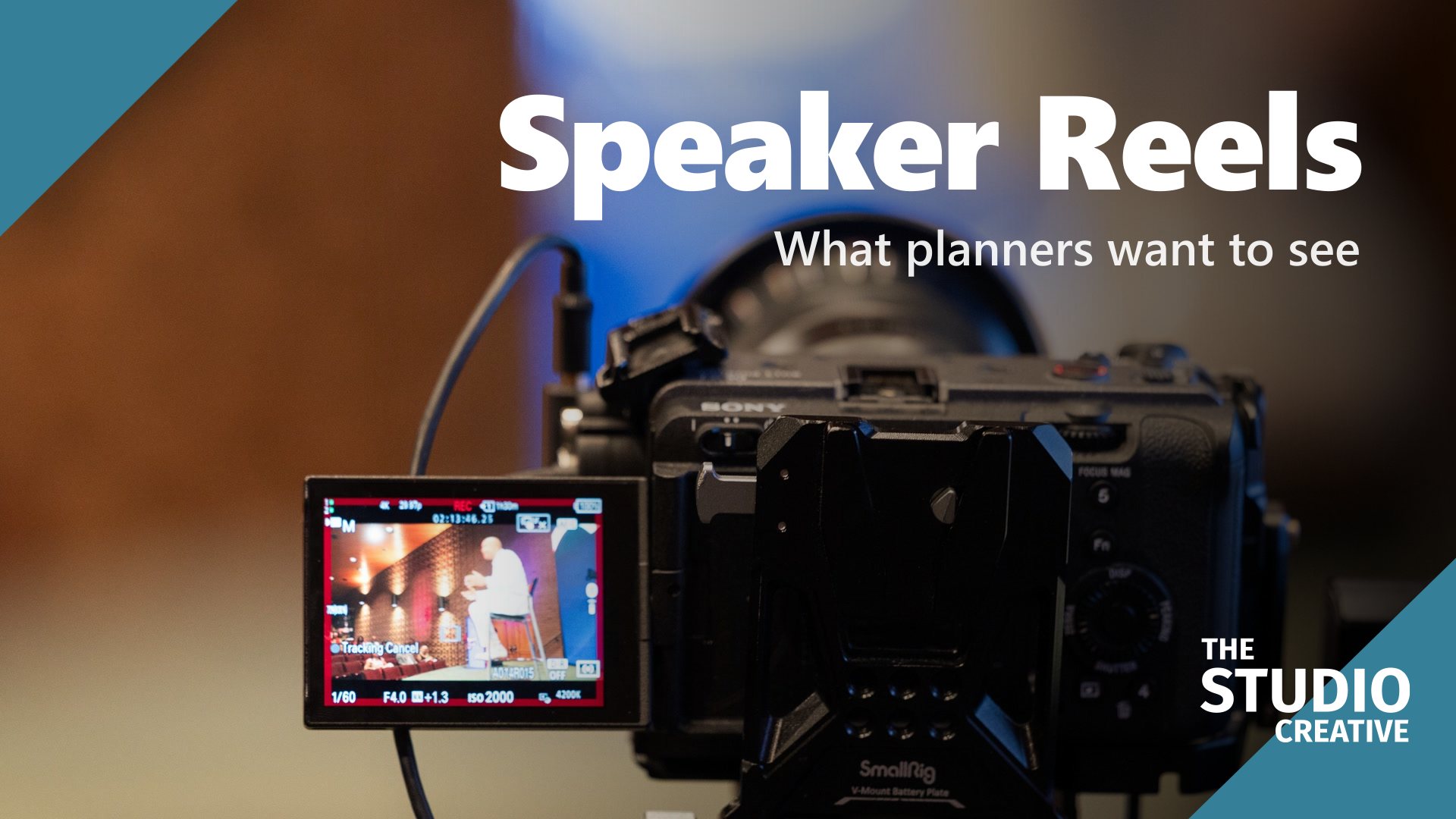
A speaker reel that gets you booked shows an event planner three things fast: you on a real stage, an audience reacting to you, and the topic you deliver. Keep it to about two to three minutes, open on your strongest moment, add a line or two from planners who hired you, and end by telling them how to book you. Everything else is decoration.
Speaker Reel Checklist: What Event Planners Want to See
In this article4 sections
Planners watch the reel before they read the bio, and the first minute does most of the work. Below is the checklist we use when we film and cut reels for the speakers we work with, from keynote stages to the interview sets at the Leadership Experience Tour.
At a glance4 key points
- Two to three minutes. Long enough to prove it, short enough to finish.
- A real room. Faces in the audience reacting are the proof planners look for.
- One clear topic. A planner should be able to say what your talk is about after watching.
- Proof and a next step. A planner's words, then how to book you.
The checklist
- Open on your best ten seconds. Not a logo, not a title card. The line that gets the biggest reaction, on stage, with the room in shot.
- Show the audience, not only you. Laughter, nodding, people writing things down, a standing ovation if you have one. A reel of only your face could have been filmed in a hallway.
- Use real stages, more than one if you can. A ballroom, a breakout room and a virtual event tell a planner you work in their kind of room.
- Make the sound perfect. Planners forgive a soft shot; they leave on bad audio. Record from your microphone, not the camera.
- Say what the talk is about. Two or three clips that state your message plainly, so the planner can repeat it to their committee.
- Add proof from planners. A sentence on screen from someone who booked you, with their name and event. That persuades more than "Amazing speaker!" from a stranger.
- Cut it tight. About two to three minutes is the standard The Speaker Lab describes in its guide to speaker demo videos. Longer reels lose planners before the best part.
- End with how to book you. Your name, your topic and your website or booking link on the last frame, and put the reel on the first screen of your site, not three clicks deep.
Film it at a live event, not a studio
The cheapest good reel is filmed at an event you are already speaking at. The room, the lights and the audience are already there, so the only cost is the crew and the edit. When we cover a conference, speaker reels are an add-on for each speaker rather than a separate shoot, which is why many organizers give them to their speakers as a thank you. Our conference video cost guide lists the price.
If you speak at an event we are filming, ask the organizer for a reel. If not, bring your own crew and tell the organizer in advance: most are happy to say yes when the footage helps promote their event too.
Where the reel goes to work
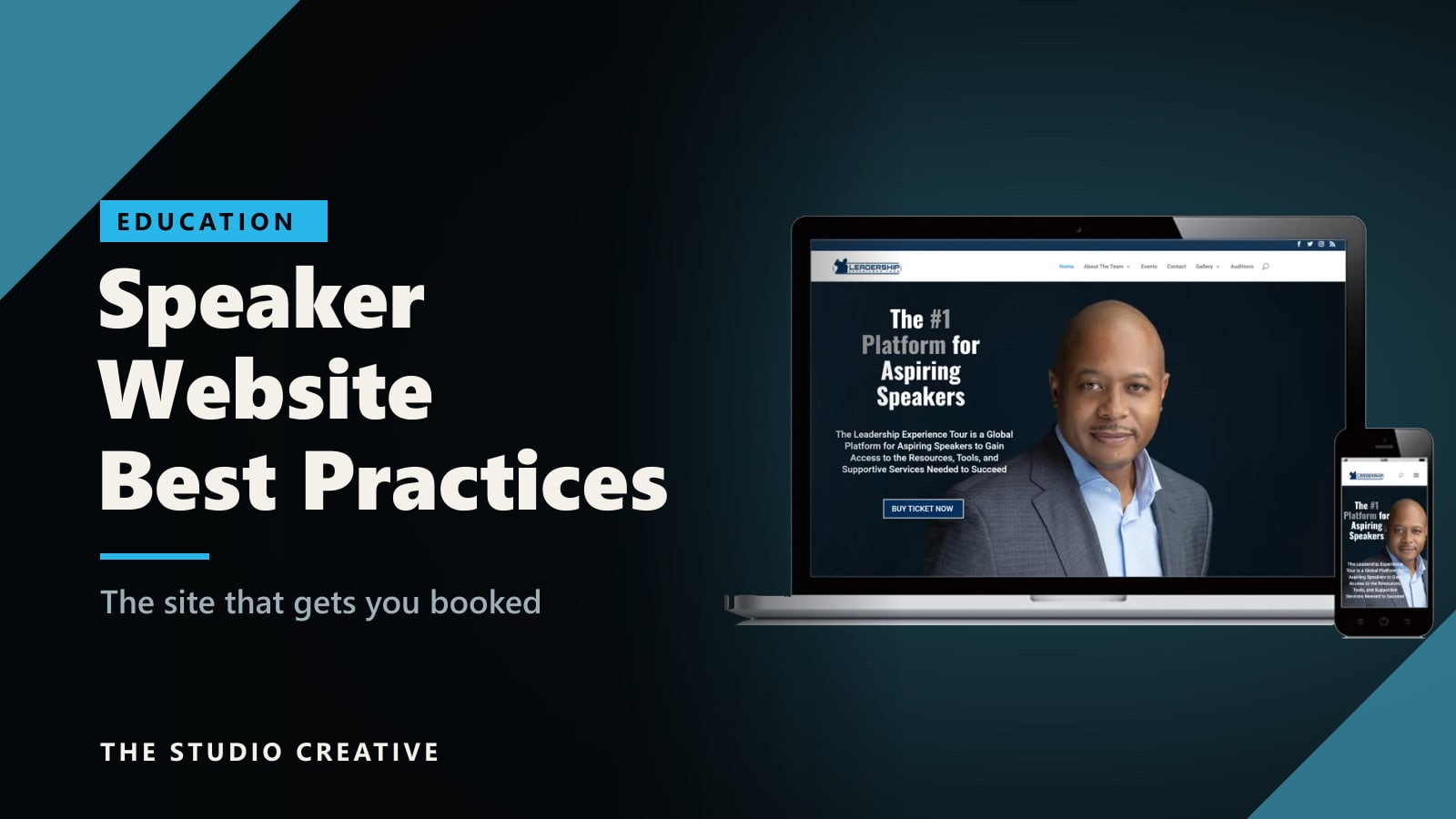
A reel only books you if planners find it. Put it at the top of your website's home page, on your speaker one-sheet as a link, in the first line of every pitch email, and pinned on LinkedIn. Our guide to public speaker websites covers the rest of the page around it, and a branded mic flag puts your name in every frame of the footage you are filmed in.
Questions speakers ask
How long should a speaker reel be?
About two to three minutes. Keep a longer full talk on your site for planners who want it, but lead with the short reel.
Can I make a reel without a live audience?
You can, but planners notice. If you have no recent event footage, film the next talk you give, even a small one, and build from there.
How often should I update my reel?
Whenever your topic changes or you speak on a bigger stage. An old reel with an old message books the wrong talks.
Want a reel that books you? See the speaker reels we have made, or tell us about your next talk.
Was this useful?
speaker reelspeaker demo reelpublic speaker videokeynote speaker reelhow to make a speaker reelspeaker marketingpublic speakersThe Studio Creative