Pro wrestling is the hardest live sport to film well, because it is a sport and a stage show at the same time. The action is fast, it leaves the ring without warning, and the most important shot of the night is often a face in the corner rather than the move in the middle. This is the short version of how our crew films it. The full version, with checklists, settings and a show day plan, is a free 16-page PDF guide you can download below.
At a glance
- Every camera has one job. A raised hard camera for the wide, handhelds at ringside for the close work, and one camera for entrances.
- Keep the lens low. At ringside, shoot between the bottom rope and the second rope whenever you can.
- Faces tell the story. One camera stays on the babyface and one on the heel, so there is always a reaction to cut to.
- Record every camera. The separate recordings become the highlights, the commercial for the next show and the social clips.
 Free PDF · 16 pagesThe Pro Wrestling Video Production Guide: camera plans, the shot for every moment, audio, streaming and a show day checklist.Get the free guide
The seven rules
- Every camera has one job. One wide camera that never moves, handhelds at ringside for the close work, and one camera for entrances.
- Keep the lens low. At ringside, shoot through the gap between the bottom rope and the second rope whenever you can.
- Go wide before a big move, not during it. The leap and the landing both have to fit in the frame.
- Never cut during a pin. Hold the shot that shows the referee's hand and both shoulders until the count is over.
- Faces tell the story. Keep one camera on the hero and one on the villain, so there is always a reaction to cut to.
- Cut on the impact, then go to the face. The hit is the sport. The reaction is the show.
- Record every camera. The live cut is one night. The separate recordings are months of marketing.
Where the cameras go
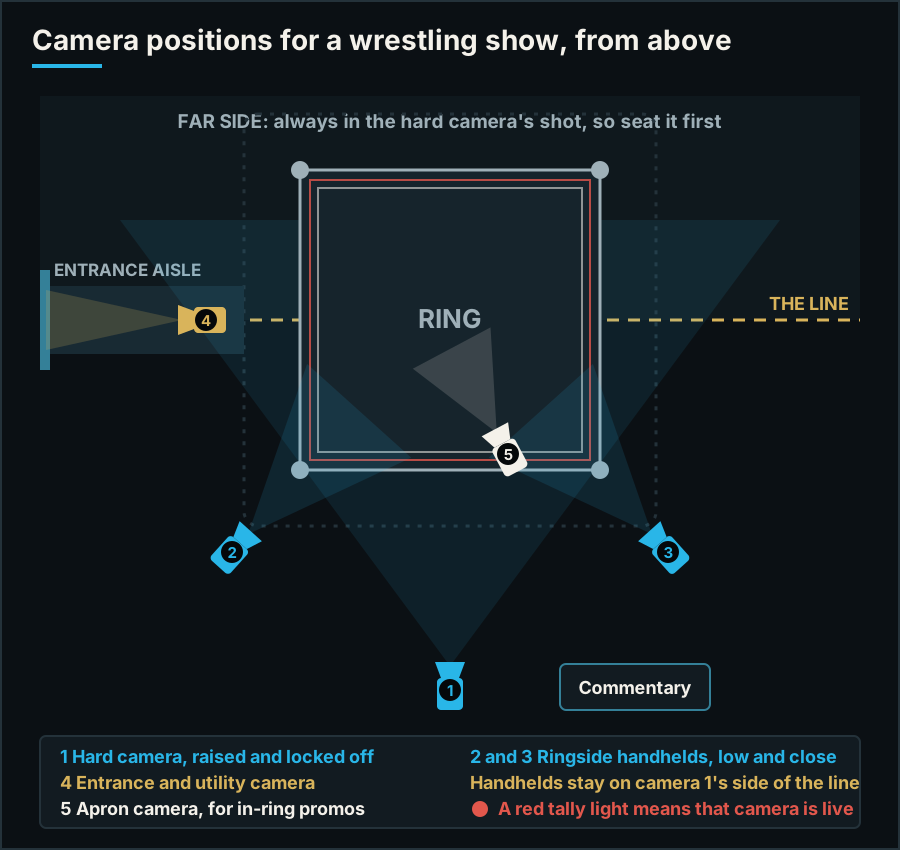
Where each camera operator stands. The dashed gold line is the one rule nobody crosses.
The hard camera is raised, centered and locked off. It carries most of the match and defines the front of the show. Two ringside handhelds work low and close on the hard camera's side, so the action never flips direction on screen. An entrance camera covers the aisle, the crowd and the curtain. For in-ring promos, a handheld operator steps up onto the apron, outside the ropes, for a close shot with no rope in the way. A live director calls the cut, and we run two to six cameras depending on the room, the same multi-camera live streaming setup we bring to conferences and sports programs.
Try it: walk the cameras, then switch the show
Two ways to see it for yourself. Walk the cameras puts you where each operator stands, looking through the viewfinder. Monitor view sits you at the director's desk: the live program feed on the laptop in the center, all three cameras on the monitor to the right, and a video switcher under it. Press a camera button on the switcher to cut. The match loops with camera 1 wide, camera 2 on the babyface and camera 3 on the heel, and AUTO shows how our director would cut it and why.
This interactive view of the ring needs JavaScript. The diagram above shows the same camera positions.
This control room simulator needs JavaScript. The shot guide below shows the same ideas as still frames.
How to frame each moment of a match
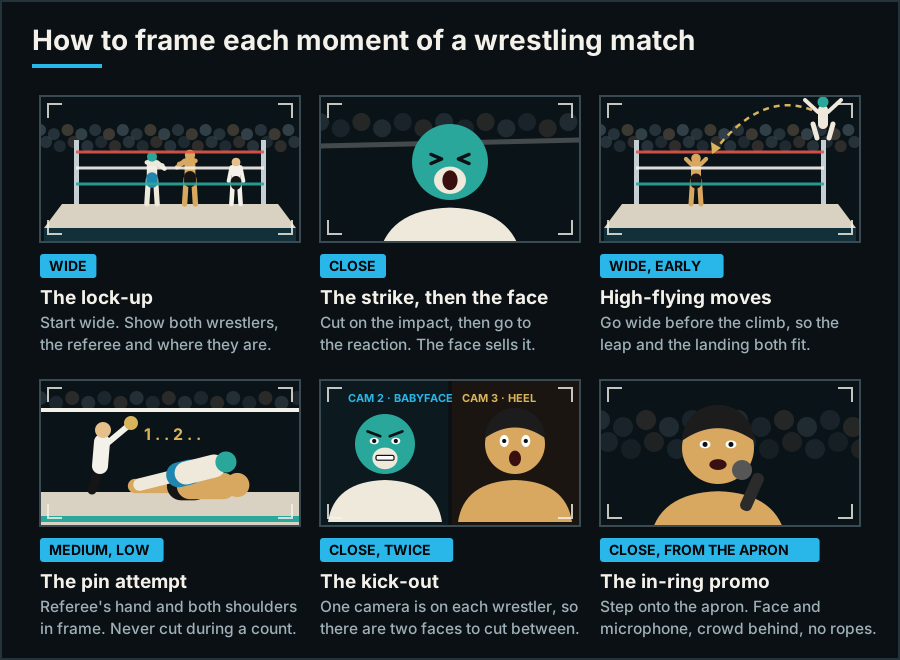
The six shots that cover most of a match.
- The lock-up: stay wide. The audience needs to see who is in the ring and where the referee is before any close-up means anything.
- Strikes: cut on the impact, then go to the face. Cutting early warns the viewer. Cutting late misses it. The reaction shot is what makes someone at home feel the hit.
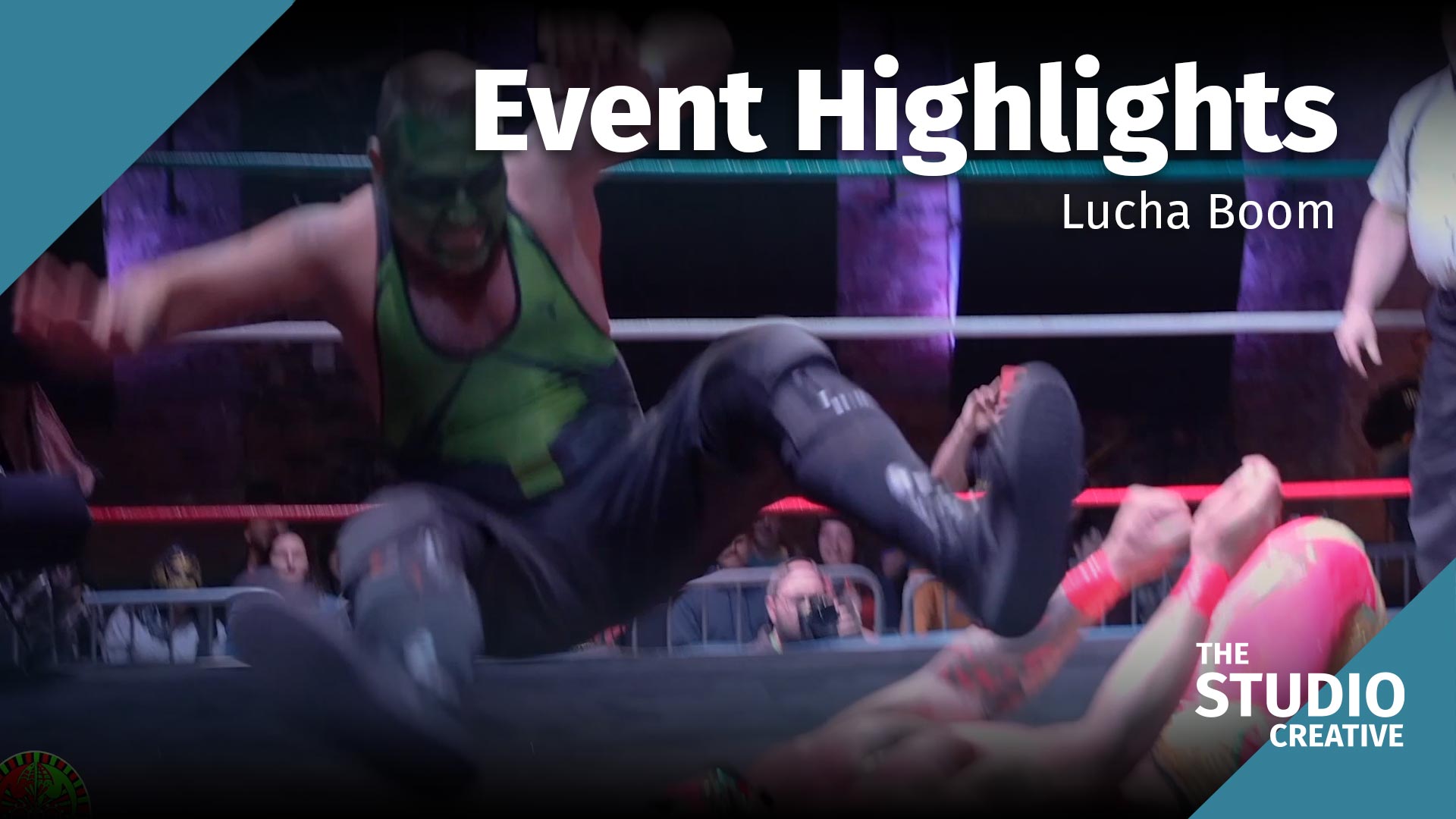
- High-flying moves: go wide early. A dive covers a lot of ground, so frame for where the wrestler is going to land, not where they took off.
- Pin attempts: hold the shot. Referee's hand, both shoulders, and no cut until the count breaks. Then go straight to the two faces.
- Promos: shoot from the apron. Face and microphone, crowd behind, nothing in the way.
- The crowd: after the big moment, never during it.
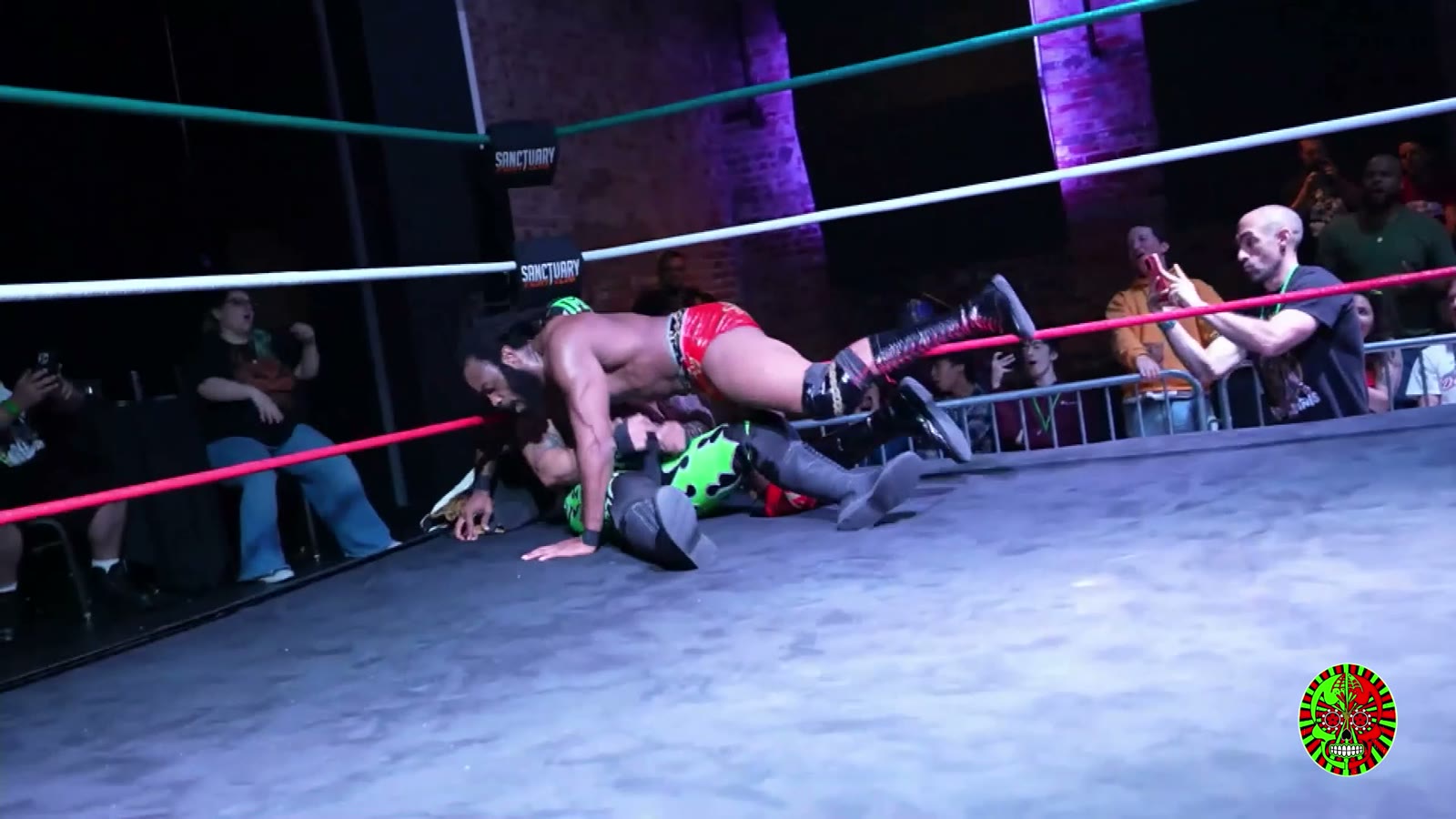
Lens height at ringside: below the second rope, so nothing crosses the wrestlers and the crowd fills the background.
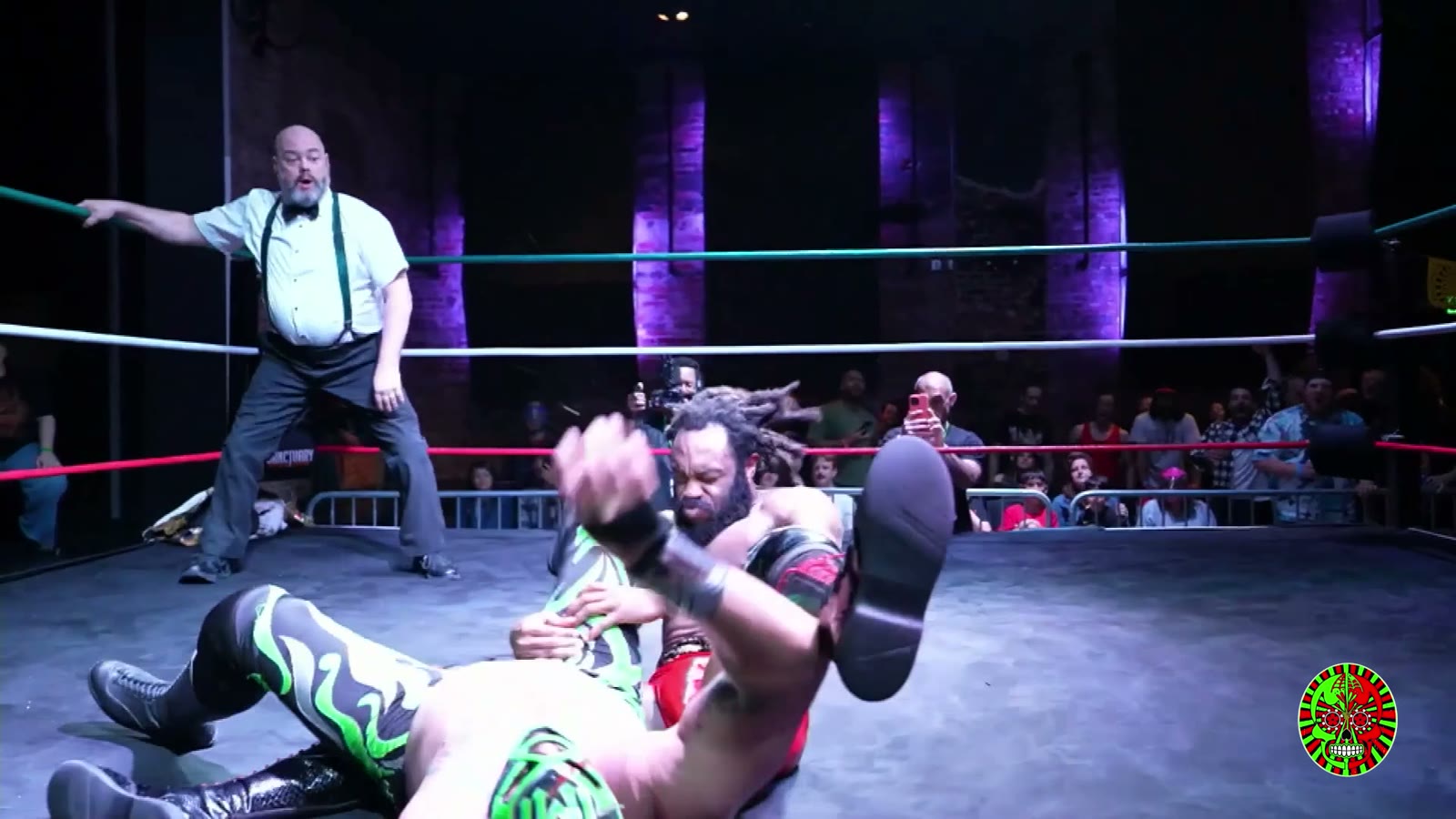
Facial expressions sell everything else. Low and close on a hold, with the referee still in frame.
One camera on the babyface, one on the heel
In wrestling the hero is the babyface and the villain is the heel, and a match is a conversation between the two. The simplest way to never miss a reaction is to give each of them a camera. One ringside handheld stays on the babyface, the other stays on the heel, and the hard camera holds the wide. The heel lands a cheap shot, and the cut goes to the babyface in pain, then to the heel enjoying it. The operators do not have to guess who matters. Each of them already knows.
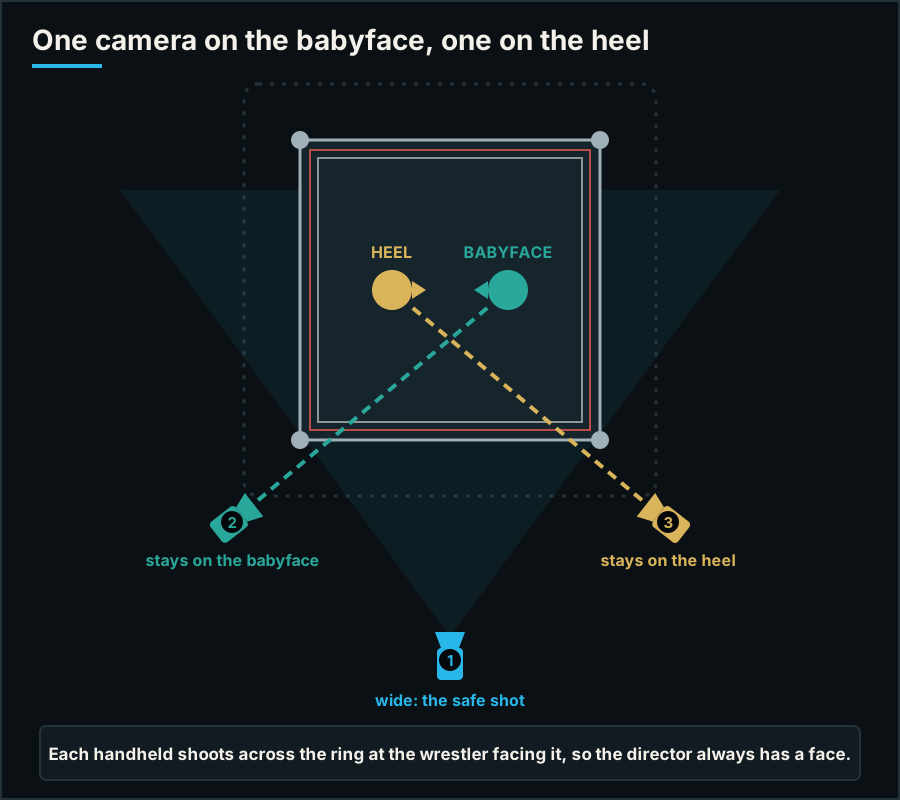
Each handheld shoots across the ring at the wrestler facing it.
We run tally lights and production headsets so every operator knows who is live. A red tally light means hold the frame steady. When it goes out, the operator is free to move, and the director is already sending them to where the action is heading.
Sound, light and the connection
- Audio is half the show. Mics under the ring and on the posts for impacts, crowd mics for the room, clean commentary headsets, and a direct feed from the ring announcer. The stream gets its own mix, separate from the house.
- Light the ring, not the room. A bright, even ring and a darker crowd is what makes it look like television instead of a gymnasium.
- Most failed streams fail on the internet. A tested wired connection with real headroom, a bonded cellular backup, and a local recording of every camera no matter what.
- Entrance music can take a stream down. Commercial themes get streams muted or blocked, sometimes during the main event. Decide how to handle it before the show.
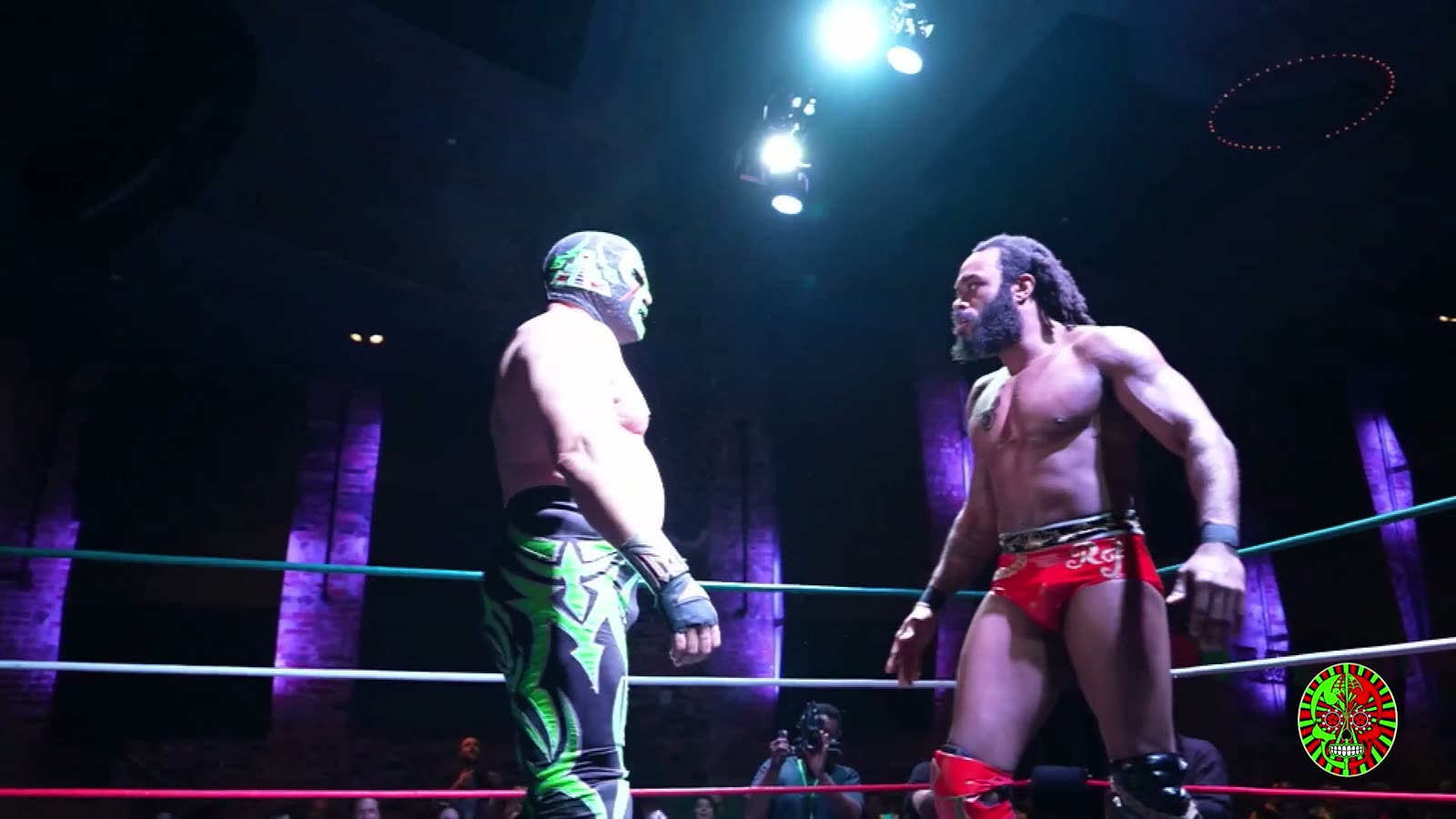
Bright ring, darker room. The full guide covers settings, microphone placement and a failure plan for each of these.
After the bell: the video that sells the next show
Because every camera is recorded separately, one show becomes a highlight package the same week, a commercial for the next event, vertical clips for social media, and entrance videos the wrestlers share themselves.
Watch the LuchaBoom commercial on its own page: live lucha libre, shot ringside and cut as a promo.
A camera crew that knows wrestling
Everything above depends on whether the people holding the cameras understand what they are watching. Our founder, Jeff Schniers, wrestled for nearly twenty years before starting the studio, and our camera operators are experienced sports shooters who read a match the way a fan does: already reframing before the move happens, and safely out of the way when it lands.
Promotions we have filmed
- LuchaBoom
- NCG Wrestling Group
- Mr. Chainsaw Pro Wrestling
- New Edge Pro Wrestling
- TNA Wrestling, for cross-promotion matches on LuchaBoom cards
We have also worked on the post production side of national wrestling television: Ring of Honor asked us to edit the Truth Martini injury video that aired on pay per view.
Free PDF · 16 pagesPlanning a show? Take the full 16-page guide to your crew meeting.Download it free
Questions promoters ask us
How many cameras does a wrestling show need?
Three is the working minimum: a hard camera, one ringside handheld, and an entrance camera. A second handheld is the biggest single upgrade, because it lets one camera stay on each wrestler.
Can you stream from a venue with bad internet?
Usually, yes. Bonded cellular combines multiple carriers into one connection, and we test the venue ahead of time so there are no surprises at bell time.
Do you travel?
We are based in Grand Blanc, Michigan and film wrestling across the state, and we will travel for promotions outside it. We also have a base in Florida.
Book a wrestling production crew
We are the premier live event partner for pro wrestling because we come from it. If you run a promotion and want your shows to look and sound like television, tell us about your next card. See how our live streaming packages are put together, look through more of our wrestling and sports work, or download the full guide.